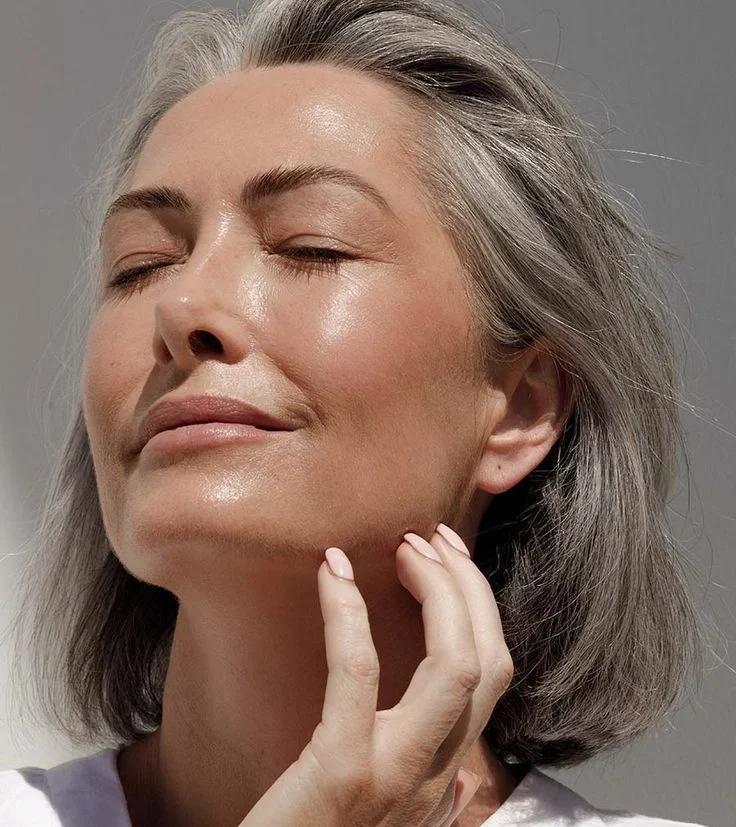
If you’re considering a facelift, it’s normal to have lots of questions. Consultant Plastic Surgeon Mr James Murphy also contributes to the RealSelf website, answering queries on all areas of cosmetic surgery. Here, we’ve highlighted some of the most common questions we’re asked about facelifts.
1. How long after a facelift can I colour my hair?
We generally advise waiting 6 weeks after surgery, provided your wounds are healing normally. Most hairdressers can work around the surgical area safely, but they will want your surgeon’s approval first. Some scars, particularly around the temples, may take longer to settle.
2. What type of facelift is best for a 56-year-old woman?
The technique matters less than the surgeon performing it. Different surgeons have their own variations on safe and effective surgical principles. What truly makes a difference is the experience and skill of the surgeon, an experienced surgeon can achieve excellent results regardless of the technique.
3. Why do celebrity facelifts sometimes look unnatural?
Celebrity facelifts often get attention because of dramatic or poorly executed results. Many celebrities actually have surgery that goes unnoticed. Problems usually arise from:
- Poorly performed procedures
- Patients pushing for increasingly dramatic changes
- Multiple surgeries over time
Money and status are no guarantee of good judgement in surgery. Careful planning, a skilled surgeon, and realistic expectations are far more important.
4. How can I avoid bruising after a facelift?
Bruising and haematoma risk depends on factors like the type of procedure, medical history, medications, smoking, and surgeon experience. The single most important thing you can do is follow post-operative instructions carefully:
- Rest with your head elevated
- Avoid excessive activity in the first few days
Many patients are excited and move too early, which can increase bruising. Patience in the first week is key for a smooth recovery.
5. How can I avoid a ‘pulled-up’ look?
The best way to avoid an unnatural “pulled” appearance is to choose your surgeon carefully. Your surgeon should:
- Be experienced in all types of facial rejuvenation
- Conduct a detailed assessment of your face
- Discuss a treatment plan tailored to your anatomy
Different faces suit different techniques. Multiple consultations and clear communication help ensure a natural, age-appropriate result.
6. I’m approaching 60 – what is the best age for a facelift?
There’s no single “best age,” as everyone ages differently. Generally, younger patients achieve more natural results, before the signs of ageing are deeply set. Waiting until 60 may give a more dramatic lift, but the result can sometimes appear less natural.
If you’re considering a facelift:
- Download our Guide to Facelifts for more information
- Or book an initial consultation with Macys Plastic Surgery
During your consultation, your surgeon will:
- Assess your physiology
- Discuss the results you’d like to achieve
- Answer all your questions so you can make an informed decision
It’s your opportunity to go forward with confidence and clarity about the process.